
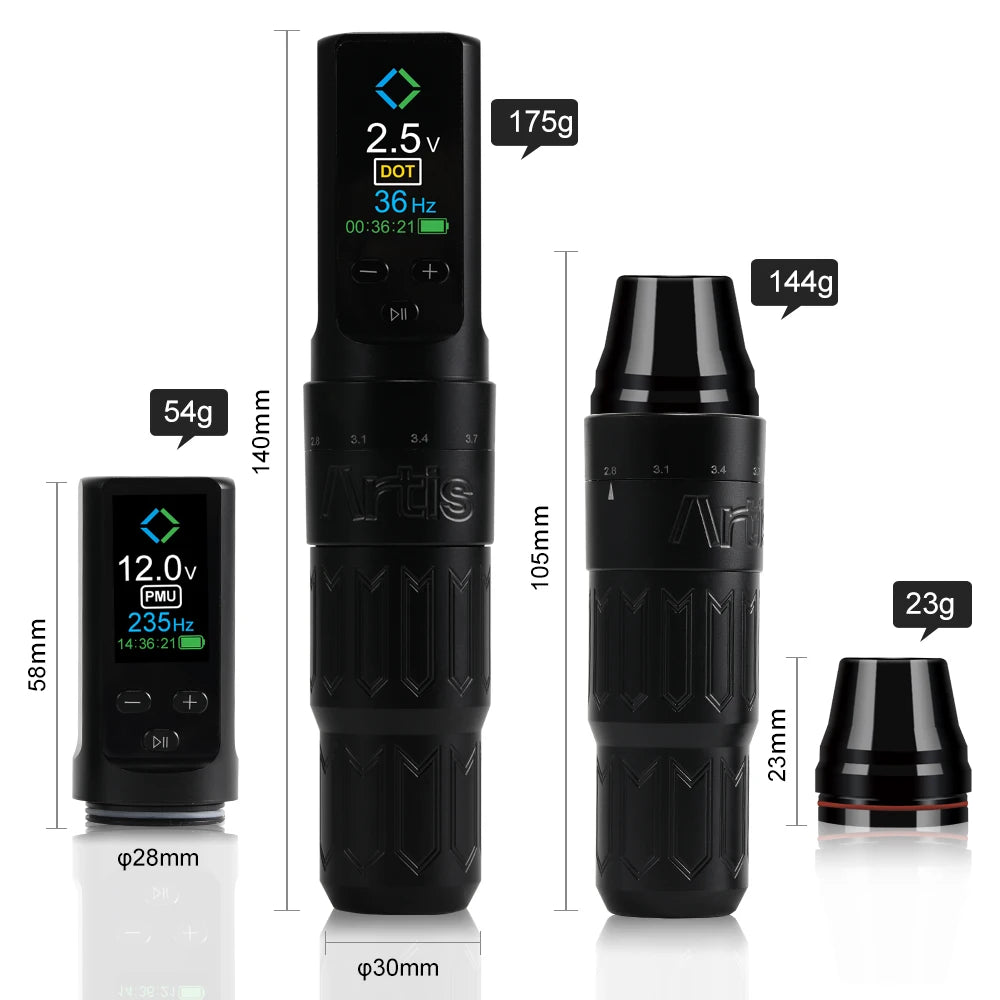
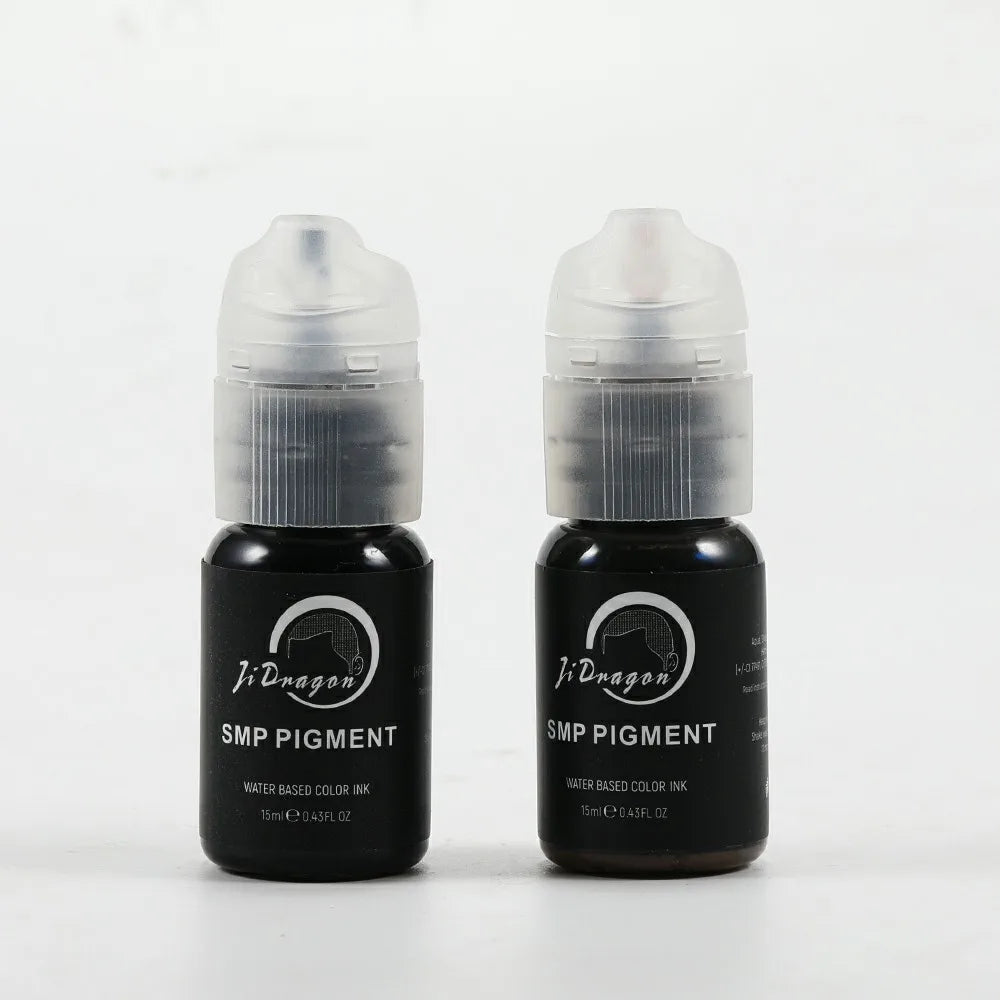
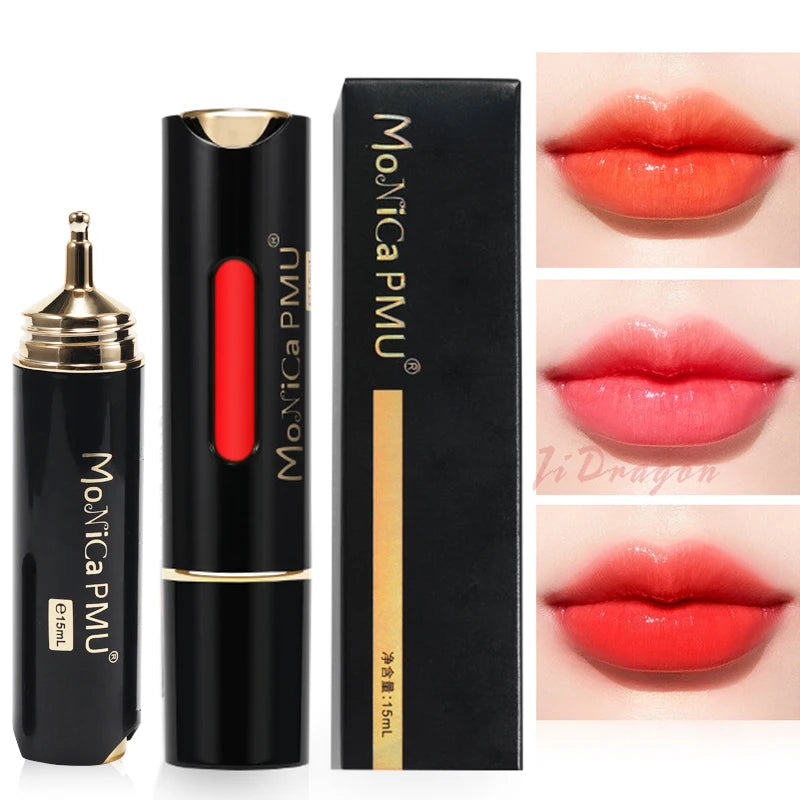
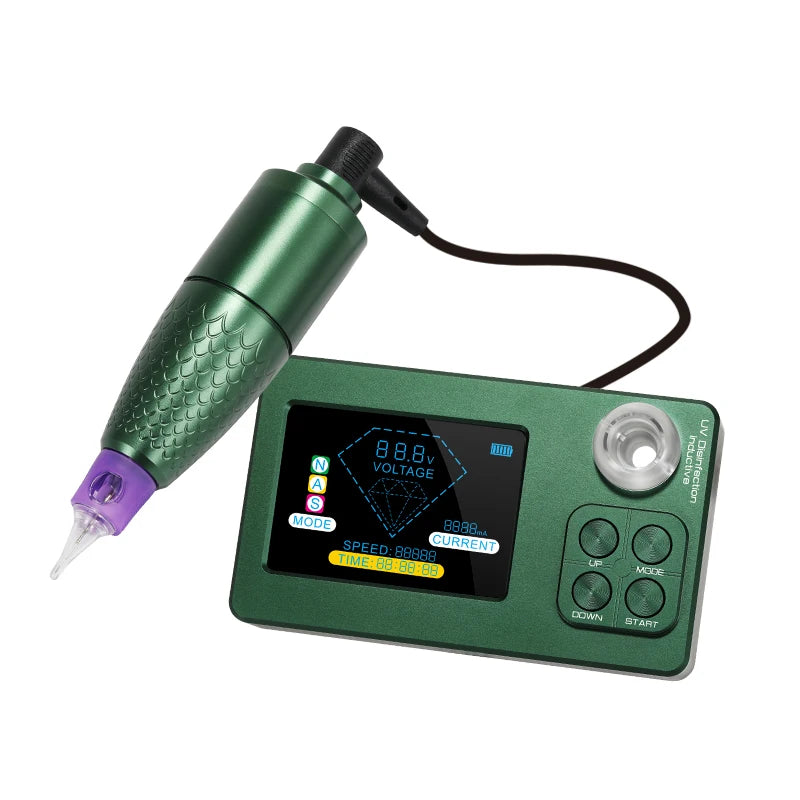
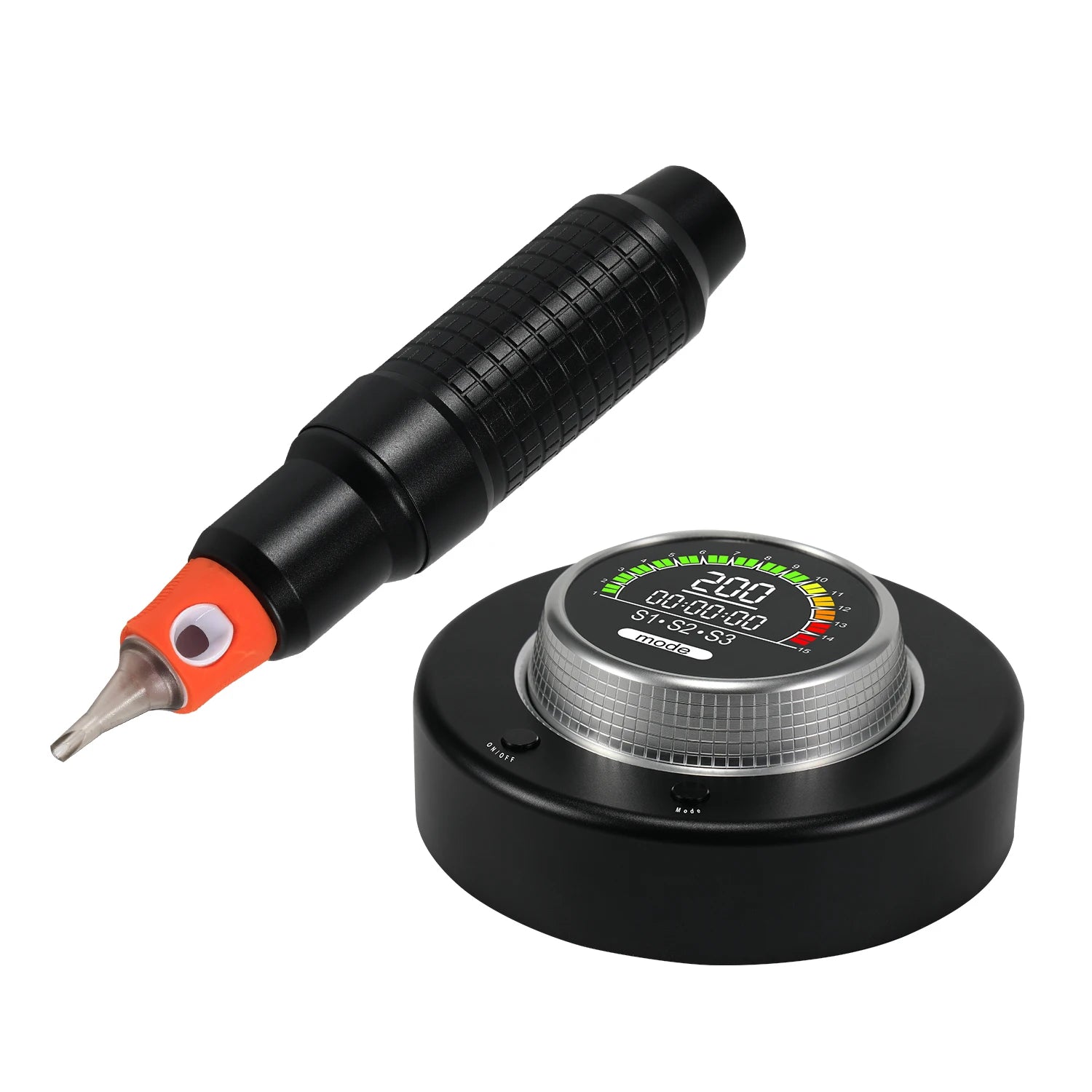
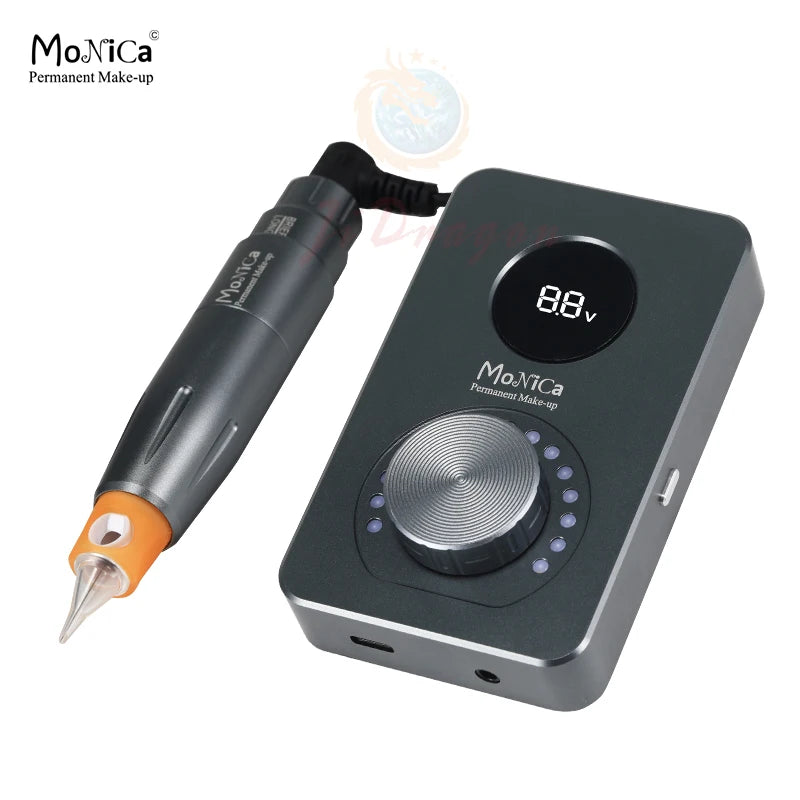
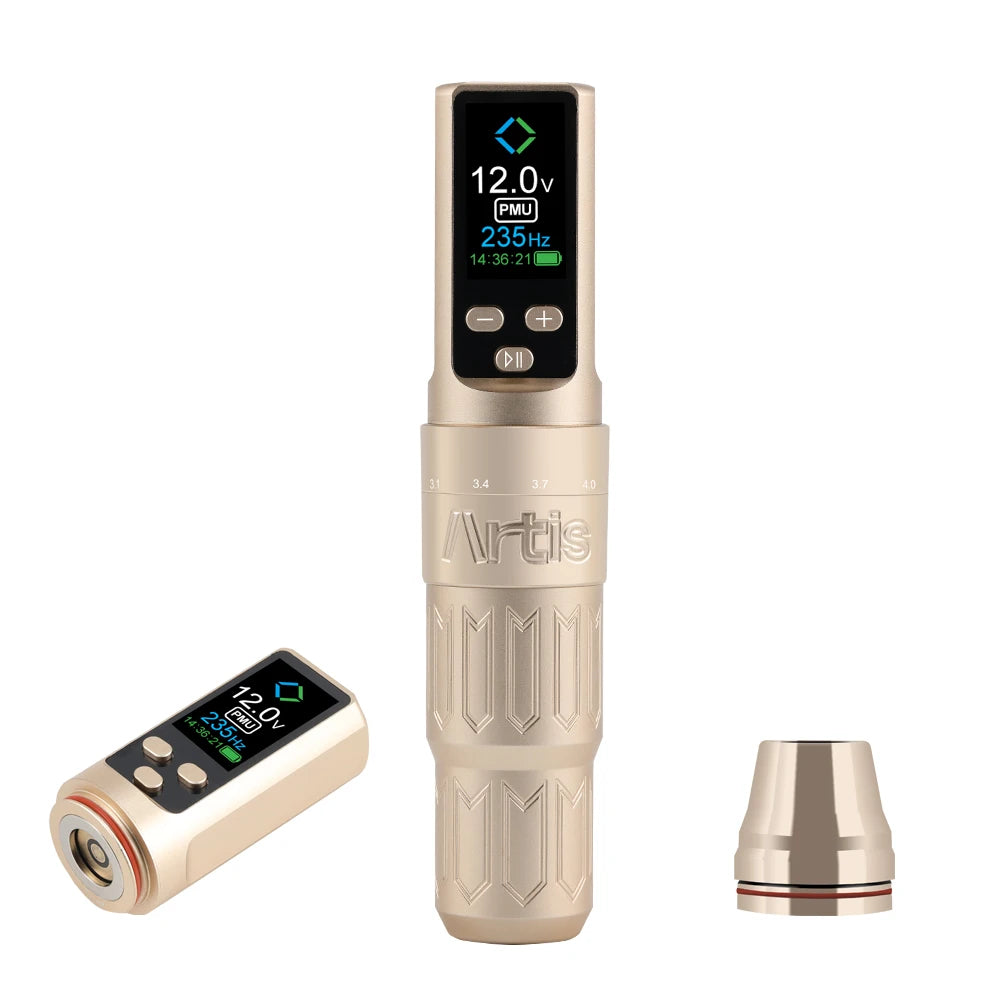
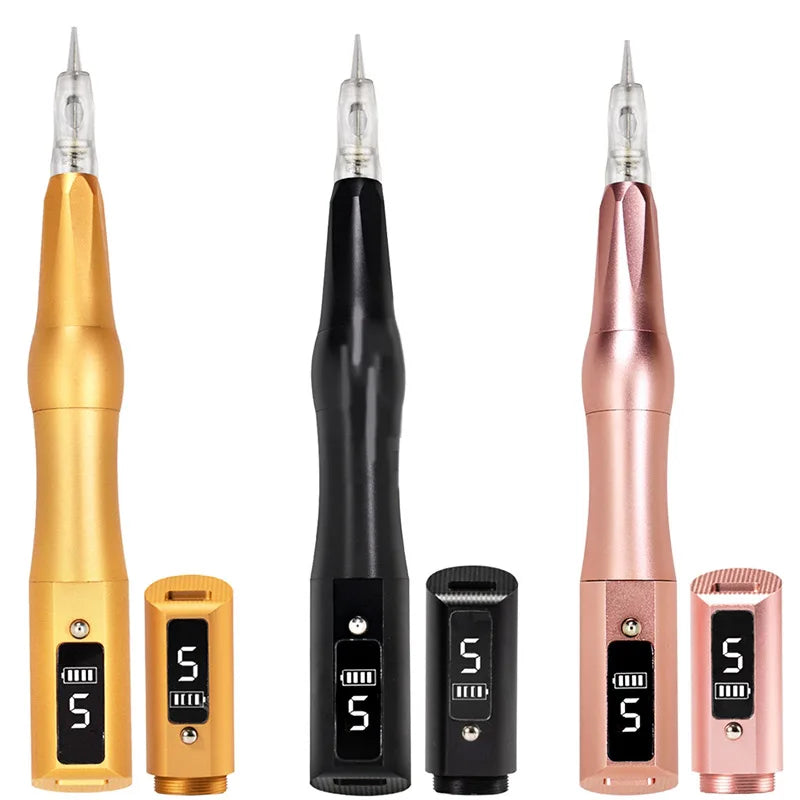

As the permanent makeup (PMU) industry continues to evolve, 2026 marks a clear shift in both artistic preference and technical requirements. One of the most noticeable trends is the growing demand for low-speed, highly controllable PMU machines. Contrary to the old belief that faster machines mean higher efficiency, today’s professional market increasingly values precision, control, and skin safety over speed alone.
So why are low-speed PMU machines becoming more popular in 2026? The answer lies in changes in aesthetics, techniques, client expectations, and professional education.
-
The Industry Is Moving Toward Natural, Skin-Friendly Results
The dominant PMU styles in 2026—such as nano brows, hybrid brows, soft shading, lip blush, and SMP refinement—all emphasize a natural, “no-makeup” appearance. These techniques require light pigment implantation and subtle layering, rather than aggressive penetration. Low-speed machines allow artists to:
• Control pigment placement more precisely
• Avoid over-saturation in a single pass
• Build color gradually for softer, more transparent results In contrast, higher-speed machines tend to implant pigment too quickly, making it harder to achieve the delicate, pixelated effects that modern clients prefer.
-
Low Speed Improves Precision and Artistic Control
Professional PMU artists often describe low-speed machines as more “obedient” or “hand-following.” At lower speeds:
• The needle responds more closely to hand movement
• Line direction and pressure are easier to control
• Fine hair strokes and detailed work become more consistent
This is especially important for techniques that rely on directional flow, fine strokes, and detailed transitions, where even a small loss of control can affect the final result.
-
Reduced Skin Trauma and Better Healing Outcomes
Client experience has become a major priority in the 2026 PMU market. Low-speed machines naturally create less skin trauma, particularly on delicate areas such as brows, lips, and eyeliner. Benefits include:
• Less redness and swelling
• Thinner scabbing
• Faster healing time
• More even pigment retention after healing
For clients, this means a more comfortable procedure and better long-term results. For artists, it means fewer touch-ups and higher client satisfaction.
- Pixelated Shading and Layering Require Slower Speeds
Many advanced shading styles in 2026 intentionally aim for a pixelated or dotted pigment effect, rather than smooth saturation. This approach helps create depth, softness, and natural gradients.
Low-speed machines make it easier to:
• Control dot placement
• Maintain spacing between pigment points
• Prevent pigment from blending into a solid block
This is why many experienced artists prefer slower machines when performing lip blush, powder shading, or hybrid brow techniques.
-
Training Academies Prefer Low-Speed Machines
Education plays a major role in shaping market preferences.
PMU training academies increasingly favor low-speed machines because they are:
• More forgiving for beginners.
• Easier to demonstrate techniques consistently.
• Less likely to cause student mistakes that lead to overworked skin .
A machine that operates smoothly at low speed helps students develop proper hand control, pressure awareness, and technique discipline—skills that are essential for professional growth.
- High-End Markets Value Control Over Speed
In premium PMU markets across Europe, North America, and Asia, speed is no longer a selling point. Instead, precision and reliability define professional-grade equipment.
Low-speed capability is now associated with:
• Advanced artistry
• High technical standards
• Professional and medical-style safety awareness
As a result, machines that offer stable low-speed performance with fine adjustment ranges are often preferred by top artists and educators.
Conclusion
In the 2026 PMU market, low-speed machines are not seen as slower or less powerful—they are seen as more advanced and more professional. By offering better control, reduced skin trauma, and greater consistency across modern techniques, low-speed PMU machines align perfectly with today’s aesthetic standards and professional expectations.



Leave a comment
This site is protected by hCaptcha and the hCaptcha Privacy Policy and Terms of Service apply.